



The restoration of historical heritage and the introduction of international hotel brands in Georgia have become one of the key directions of tourism development. A significant contribution to laying the foundation for this process is attributed to businessman Zaza (Gela) Mikadze. The examples of Borjomi and Tskaltubo demonstrate how abandoned historical buildings can be transformed into modern, high-class hotels and become the foundation for new tourism destinations.
In recent years, Georgia’s hotel and hospitality sector has developed significantly and is increasingly associated not only with the expansion of tourism infrastructure but also with the restoration of historical buildings and the integration of international brands. The long-term experience of Zaza Mikadze clearly shows how a neglected cultural heritage asset can be converted into a competitive modern hotel product while simultaneously laying the groundwork for the development of new tourist destinations.
Mikadze’s interest in the hospitality sector dates back to 2011, when his first engagement with the hotel business began. Initially, several different projects were implemented; however, the primary focus gradually shifted toward hospitality and, in particular, the rehabilitation of historic properties. The first large-scale and strategically significant project was carried out in Borjomi, where Mikadze revitalized a unique 19th-century building that had been abandoned for years.
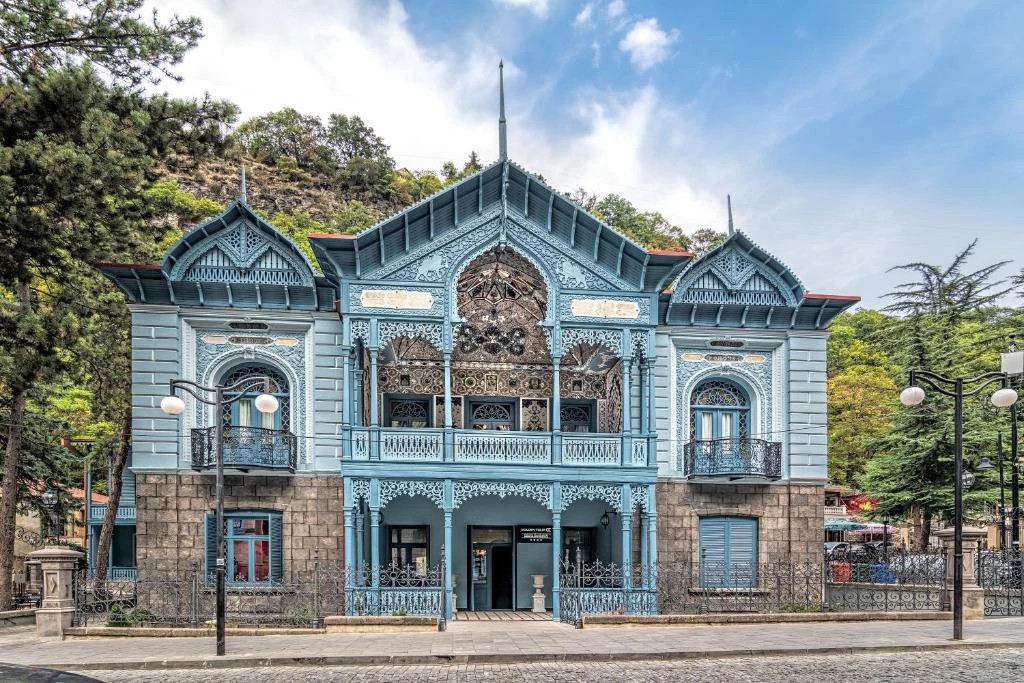
This building is historically associated with the Iranian diplomat and patron Mirza Reza Khan, who constructed several significant architectural monuments in Georgia in the late 19th century. The palace located at the entrance of Borjomi Park had been effectively abandoned after the Soviet period and remained on state balance sheets without active use. It was during this time that its potential began to be evaluated as the state sought to attract an investor.
Following the acquisition of the property, full-scale restoration works were carried out. The objective of the project was not only to restore the building but also to preserve its historical identity as much as possible. Cultural heritage specialists, historians, and architects were involved in the process, and the restoration was based on archival materials. Both the interior and exterior were restored almost to their original form, while high-quality materials and furniture imported from Europe were used in the design.
One of the key milestones of the project was the introduction of the international hotel brand “Golden Tulip,” part of the Louvre Hotels Group network, to Georgia. The four-star Borjomi hotel quickly became one of the most prominent properties in the region and made a significant contribution to the promotion of Borjomi as a tourist destination. Today, the property is not only a hotel but also one of the city’s landmarks, attracting strong interest from visitors.
The success of the Borjomi project laid the foundation for new initiatives. Global Lifestyle, the company led by Zaza Mikadze, additionally acquired a land plot in the village of Sadgeri, where the construction of a 88-room hotel is planned. The new project follows a different concept and is more closely adapted to the natural environment. The architectural design envisions wooden cottage-style structures harmonized with the forest landscape. The goal is to create an ecologically balanced, premium-class hotel that will operate within a unified brand system alongside the existing property.
 The restoration of historical heritage and the introduction of international hotel brands in Georgia have become one of the key directions of tourism development. A significant contribution to laying the foundation for this process is attributed to businessman Zaza (Gela) Mikadze. The examples of Borjomi and Tskaltubo demonstrate how abandoned historical buildings can be transformed into modern, high-class hotels and become the foundation for new tourism destinations.
In recent years, Georgia’s hotel and hospitality sector has developed significantly and is increasingly associated not only with the expansion of tourism infrastructure but also with the restoration of historical buildings and the integration of international brands. The long-term experience of Zaza Mikadze clearly shows how a neglected cultural heritage asset can be converted into a competitive modern hotel product while simultaneously laying the groundwork for the development of new tourist destinations.
Mikadze’s interest in the hospitality sector dates back to 2011, when his first engagement with the hotel business began. Initially, several different projects were implemented; however, the primary focus gradually shifted toward hospitality and, in particular, the rehabilitation of historic properties. The first large-scale and strategically significant project was carried out in Borjomi, where Mikadze revitalized a unique 19th-century building that had been abandoned for years.
This building is historically associated with the Iranian diplomat and patron Mirza Reza Khan, who constructed several significant architectural monuments in Georgia in the late 19th century. The palace located at the entrance of Borjomi Park had been effectively abandoned after the Soviet period and remained on state balance sheets without active use. It was during this time that its potential began to be evaluated as the state sought to attract an investor.
Following the acquisition of the property, full-scale restoration works were carried out. The objective of the project was not only to restore the building but also to preserve its historical identity as much as possible. Cultural heritage specialists, historians, and architects were involved in the process, and the restoration was based on archival materials. Both the interior and exterior were restored almost to their original form, while high-quality materials and furniture imported from Europe were used in the design.
One of the key milestones of the project was the introduction of the international hotel brand “Golden Tulip,” part of the Louvre Hotels Group network, to Georgia. The four-star Borjomi hotel quickly became one of the most prominent properties in the region and made a significant contribution to the promotion of Borjomi as a tourist destination. Today, the property is not only a hotel but also one of the city’s landmarks, attracting strong interest from visitors.
The success of the Borjomi project laid the foundation for new initiatives. Global Lifestyle, the company led by Zaza Mikadze, additionally acquired a land plot in the village of Sadgeri, where the construction of a 88-room hotel is planned. The new project follows a different concept and is more closely adapted to the natural environment. The architectural design envisions wooden cottage-style structures harmonized with the forest landscape. The goal is to create an ecologically balanced, premium-class hotel that will operate within a unified brand system alongside the existing property.
At this stage, administrative procedures and final land status regulations are underway, after which construction work will begin. According to the project plan, unified management and branding will ensure both operational efficiency and financial stability.
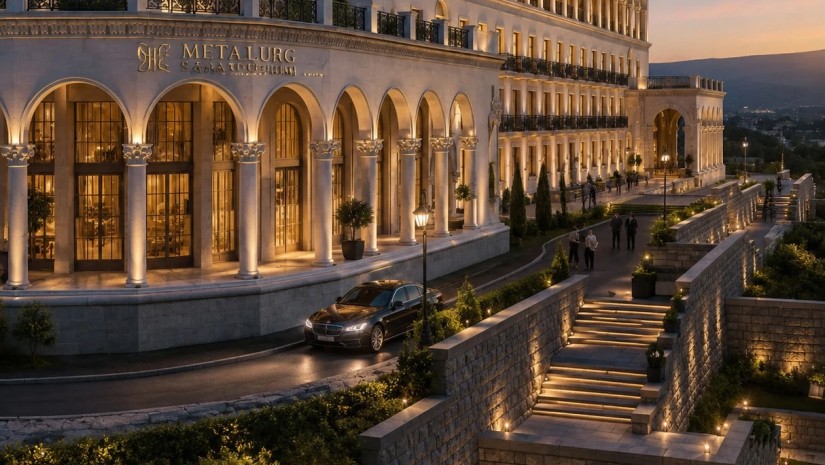
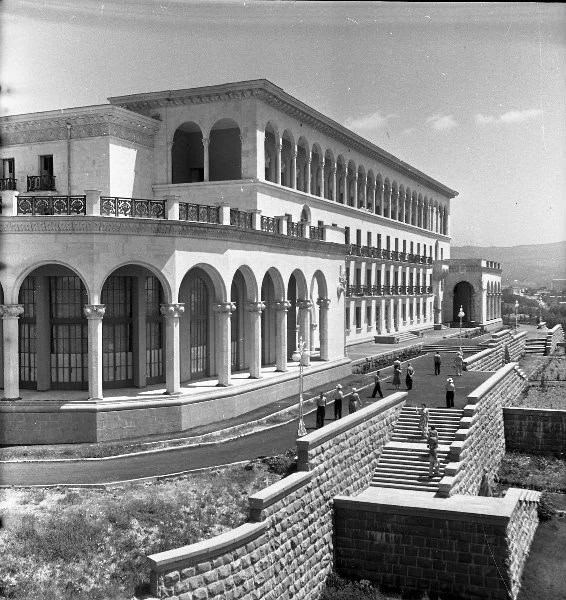
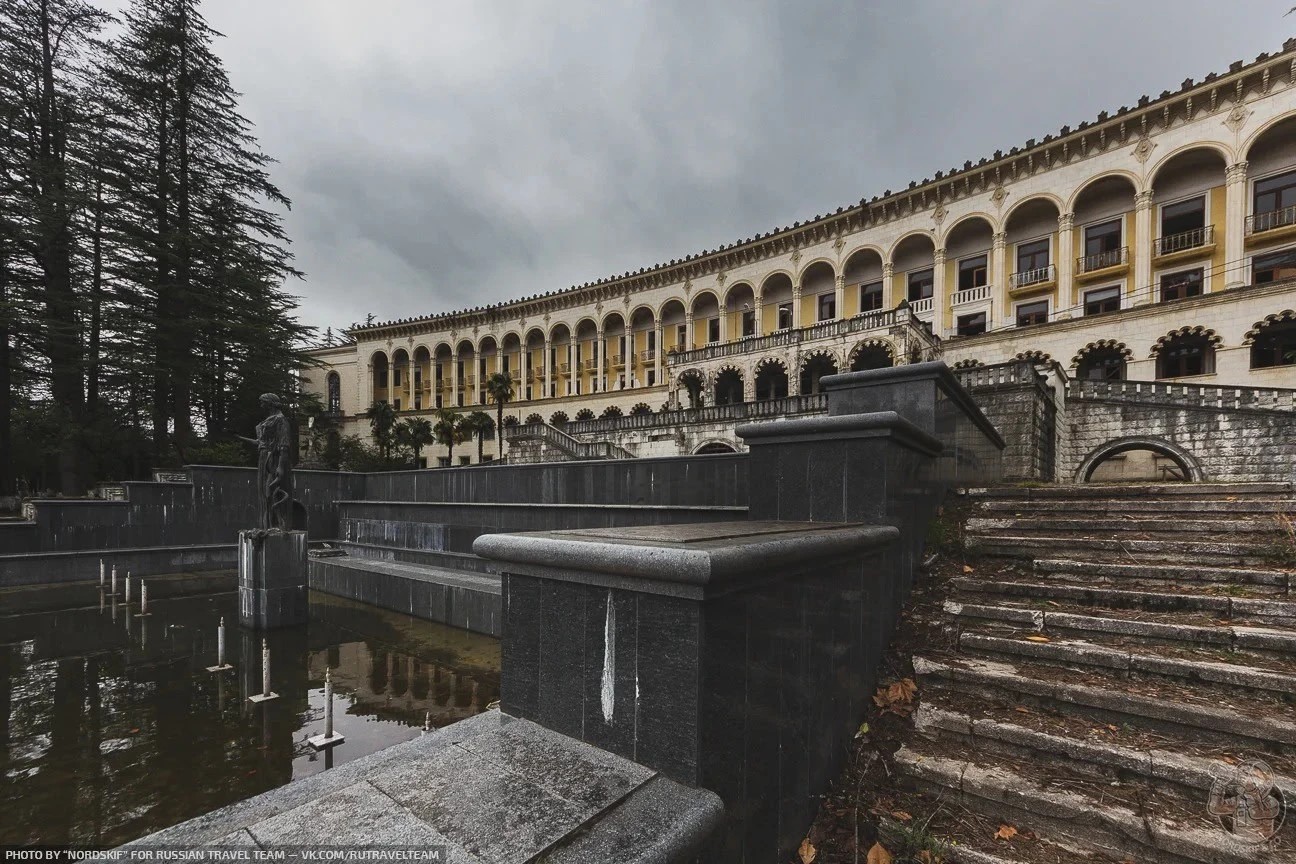
Another noteworthy project of Global Lifestyle is associated with Tskaltubo. The Hotel Metalurgi Tskaltubo — a landmark former Soviet-era sanatorium and hotel complex is planned to be transformed into a five-star hotel within three years, restoring its status as a “pearl of Western Georgia.” The building has already been vacated and is being prepared for full reconstruction. The project concept involves preserving the historical architecture while integrating modern design elements, resulting in approximately a 120-room high-class hotel.
The Tskaltubo project is considered one of the most important tourism initiatives, offering new development opportunities for the region. According to the investor, success in this direction requires not only private investment but also state involvement in infrastructure development and regional promotion. While Tskaltubo has strong tourism potential, its full realization requires a systematic approach.
The company implementing all these projects operates under the name “Global Lifestyle” and independently manages its investment activities. At this stage, a decision is being made regarding branding strategy—both the introduction of a new international brand and the creation of an in-house hotel brand are under consideration. In any case, all projects are designed in accordance with five-star standards.
Today it is evident that Georgia’s hotel industry is increasingly relying on the restoration of historical heritage and its adaptation to modern tourism demands. The Borjomi and Tskaltubo projects are clear examples of this process, where cultural value and economic development are integrated into a unified strategy aimed at strengthening the country’s tourism potential.