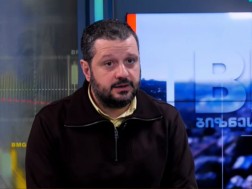


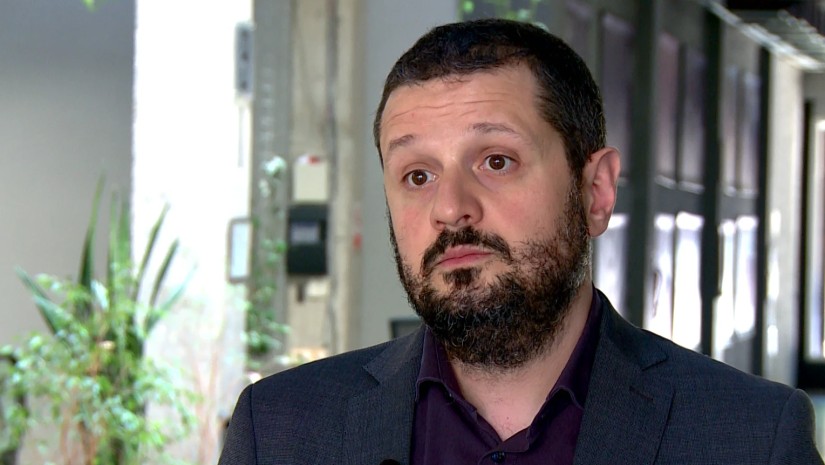

GD government’s ongoing “optimization” of state-owned enterprises is driven less by reformist intent and more by fiscal necessity, argues economist Giorgi Khishtovani. According to him, the ruling party, Georgian Dream, no longer has the financial resources to keep loss-making enterprises—and their former high-ranking officials—afloat.
Khistovani’s comments come in response to a statement by GD Prime Minister Irakli Kobakhidze, who announced that more than 700 million GEL has been saved through the optimization process.
Khistovani criticized the government’s approach, calling it “more populist than systemic.”
“Too many state-owned enterprises are either for sale or closure, especially loss-making companies. These enterprises, especially their top management and councils, have become pension positions for former high-ranking officials of Georgian Dream. The IMF has long urged Georgia to carry out systemic structural reforms, but instead of true corporate governance reform, we are seeing populism. Without deep reform, the budget will continue to finance loss-making companies through transfers, an indirect tax on taxpayers,” he said.
The economist pointed out that declining fiscal resources are the real reason behind the government’s actions.
“We know that state-owned enterprises, especially unprofitable ones, were financed through budget transfers. Beyond the populist rhetoric, this is simply about saving money. The primary motivation is that Georgian Dream no longer has the resources to save state enterprises and its former high-ranking officials. This reflects serious problems in public finances,” Khishtovani stressed.
His assessment aligns with recent remarks by the Deputy Minister of Finance Giorgi Kakauridze, who admitted that despite high economic growth, the government does not plan to revise the budget upward. Instead, spending cuts are being packaged as “optimization.”
According to Kakauridze, the process has already affected more than 1,000 employees, with savings achieved through reductions in personnel, procurement, and administrative expenses.