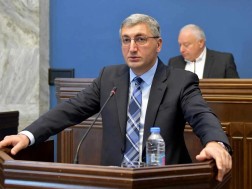


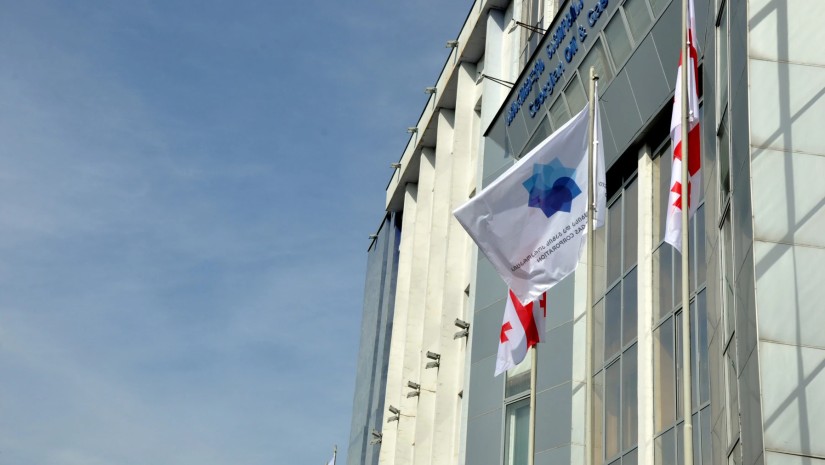

The government plans to update its action plan for state-owned enterprises as part of an agreement with the International Monetary Fund, First Deputy Finance Minister Giorgi Kakauridze told BM.GE.
The reform will significantly expand financial supervision, increasing coverage from the current 7 enterprises to around 30 large state companies, including entities that are not yet corporatized but could be in the future.
Kakauridze said the goal is to improve oversight, ensure more accurate budgeting, and strengthen transparency in state enterprises’ operations.
A key part of the next phase of the reform will focus on identifying and gradually reducing so-called quasi-fiscal activities - non-commercial spending by state companies on social or political objectives that reduce profitability and distort financial performance. Where such activities remain necessary, they may be shifted to the state budget with clearer funding mechanisms.
He added that the IMF no longer has objections regarding the ownership structure of state enterprises, emphasizing that financial supervision is seen as the main tool for managing fiscal risks. Final decisions on governance models will depend on which structure best serves both enterprise performance and state interests.