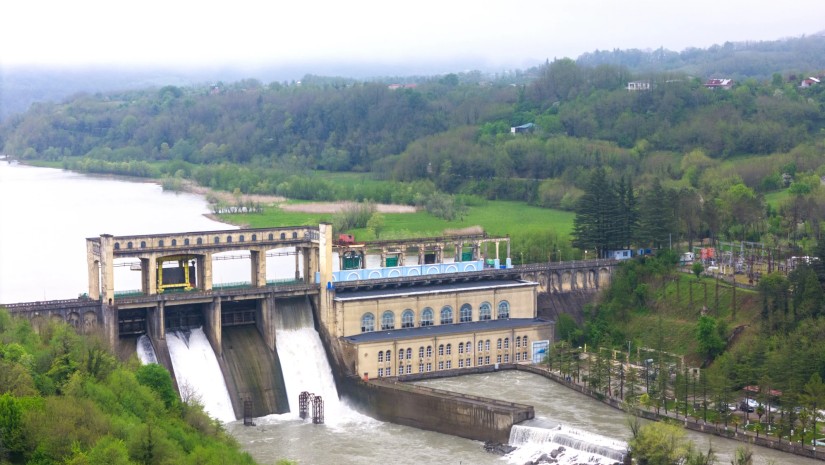

Georgia continues to struggle with a seasonal electricity imbalance, experiencing excess generation in summer and shortages in winter. Despite various government support programs, the country lacks sufficient reservoir-based hydropower plants that could store water and generate electricity during periods of high demand. Investment bank Galt & Taggart warns that current government incentives favor solar power, even though Georgia needs more hydropower and wind energy projects to ensure energy security.
According to Galt & Taggart analyst Ana Jejelava, the planned addition of 1.7 GW of solar capacity could significantly worsen the summer electricity surplus and put additional pressure on the national grid. Meanwhile, electricity exports to Turkey have become less profitable. Georgia's export revenues fell from $23.5 million in 2025 to $12.4 million this year, following a 46% decline in electricity prices on the Turkish market.
The surplus has also forced the government to restrict electricity generation for the first time. Between May and July, around 500 million kilowatt-hours of electricity production were curtailed, causing businesses an estimated GEL 67 million in losses. Energy experts argue that future government auctions should prioritize reservoir-based hydropower plants and wind farms, which could help reduce winter shortages and strengthen the country's energy security.
Another challenge is relatively slow growth in domestic electricity consumption, which increased by only 2.6% during the first nine months of this year. Experts agree that Georgia needs a more balanced energy strategy, encouraging investment in technologies that match the country's seasonal needs rather than focusing primarily on solar power generation.