

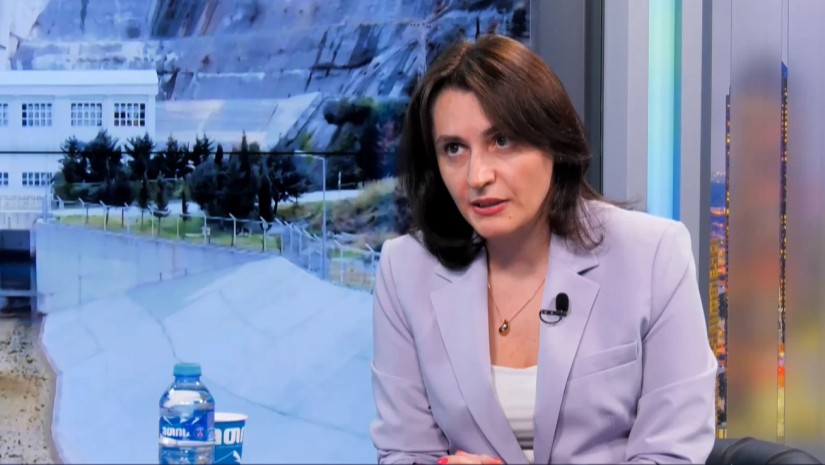

Georgia must urgently expand its renewable energy production to reduce its growing reliance on energy imports and ensure long-term energy security, says Maka Gelashvili, energy advisor at the German consulting firm OMNIA.
Speaking in an interview with BMGTV, Gelashvili emphasized that achieving energy independence and becoming a net energy exporter is not only essential for national security but also offers significant economic benefits.
“It is necessary to become energy independent and an exporter. This contributes directly to energy security and, importantly, brings economic benefits through export revenues,” she noted.
According to Gelashvili, Georgia has enormous untapped potential in renewable energy. While some hydroelectric capacity has been developed, other resources remain vastly underutilized.
“Only 20–22% of our hydro resources have been used. When it comes to wind, just 1% is utilized, and for solar, it's only 1.2%. That’s extremely low considering the potential.”
She explained that Georgia has remained a net importer of electricity over the past several years, with a brief exception in 2023 when production temporarily exceeded consumption. However, in 2024, the country returned to net importer status.
“Electricity consumption is steadily growing. Without a strategic push toward renewable energy, Georgia risks becoming even more dependent on imports.”
Gelashvili stressed that state support mechanisms have been key to unlocking renewable energy potential in other countries and should be further developed in Georgia.
“Advanced countries have implemented a range of support models, some became international benchmarks. These include direct agreements, investments from international financial institutions, and Power Purchase Agreements (PPAs), all of which have delivered tangible results.”
She welcomed Georgia’s recent introduction of Contracts for Difference (CfD) as a step forward but emphasized the need for continuity and expansion of such initiatives.
“Introducing CfD is an important move, but it’s critical that Georgia builds on this momentum and continues developing effective support frameworks for renewable energy investors.”
Gelashvili’s remarks come at a time when energy security is becoming increasingly important for countries worldwide. For Georgia, leveraging its natural renewable resources could offer a path toward both economic resilience and sustainable development.
“There is no longer a question of whether Georgia needs to expand its renewable capacity. It is a strategic necessity,” she concluded.