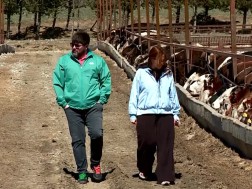




Georgia has seen a decline in the number of cattle in the fourth quarter of 2025, a trend farmers attribute to simplified livestock exports and the widespread slaughter of young calves. According to Beka Gonashvili, founder of AgroKiziki, these two factors are the main reasons behind the reduction in the country’s cattle population.
Official statistics support this assessment. GeoStat reports that in 2025 the total number of large cattle fell to 6% year-over-year. The number of cows and heifers also decreased by 8%, reaching 372,400. During the same period, milk and meat production declined in Georgia, while egg production increased.
Gonashvili explains that significant quantities of young cattle are exported from Georgia, while a large share of remaining calves are slaughtered domestically—a practice uncommon in other countries. This reduces the supply of mature animals available for future production and creates a shortage of raw materials for the local meat industry. As a result, these shortages eventually influence retail prices.
The farmer also notes that Georgia imports chilled—not frozen—beef from Russia and Belarus, making it easier for traders to sell imported meat than to rely on domestic cattle production. “It is far simpler for a trader to bring in ready-to-sell meat than to source cattle locally, arrange slaughter, and handle processing,” Gonashvili says. According to him, these combined factors have directly contributed to the country’s shrinking cattle numbers.