


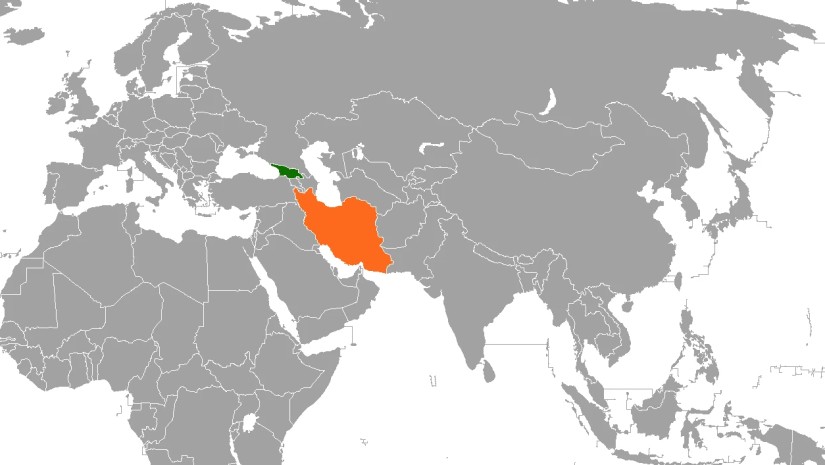

Nearly two months into the Iran escalation, the economic impact on Georgia has been milder than initially expected, according to Galt & Taggart’s report “Iran Escalation: 50 Days – Assessing Georgia’s Resilience.” The investment bank says that although tensions in the Middle East have persisted for more than a month, Georgia’s economic data has shown resilience and, in some areas, stronger-than-expected performance.
In March 2026, goods exports and remittances continued to grow year-on-year, while tax revenues and VAT turnover—used as a real-time proxy for economic activity—remained robust. The lari also returned to an appreciating trend from mid-March. Based on these indicators, Galt & Taggart estimates March GDP growth at above 6% year-on-year. Combined with 8.4% growth in January–February, this points to a strong first quarter. As a result, the bank maintains its full-year 2026 growth forecast at 6.0%, noting that “the Middle Eastern escalation has so far had limited spillovers into broader economic activity.”
The report includes a detailed explanation of its updated assessment, stating: “Nearly two months into the Iran escalation, the economic impact on Georgia has been milder than initially expected. In our 4 March note, we assessed Georgia’s direct exposure to Iran at just 0.9% of total FX inflows (0.4% of GDP) and estimated that a short-lived conflict would reduce our 6.0% growth baseline by only 0.2 percentage points, with inflationary effects expected to be modest and temporary. While the Iran escalation has persisted well beyond one month, incoming data point to economic outperformance.”
It further explains that, despite risks, key indicators improved: “In March 2026, goods exports and remittances continued to grow year-on-year, tax revenues and VAT turnover - a real-time proxy for economic activity - remained robust, and the lari returned to an appreciating trend from mid-March. Based on these indicators, we estimate March GDP growth at above 6.0% year-on-year. Combined with 8.4% year-on-year growth in January–February, this implies a strong first quarter.”
Tourism remains the most affected sector, as previously expected. Israel and Gulf countries accounted for 17% of tourism revenues in 2025, and receipts are estimated to have fallen by 32% year-on-year in March 2026. However, this weakness was offset elsewhere: goods exports rose 24% due to strong prices, while remittances increased by 9.8%. As a result, Georgia’s external balance remained flat year-on-year in March and improved by $280 million in the first quarter of 2026. The report also notes that regional flight resumption from May could support a recovery in tourism.