


Georgia's USD 475 million Kvesheti-Kobi highway project will miss its original completion target, with full operations now expected in 2027 as severe weather conditions hamper construction of a critical bridge section, Infrastructure Minister Revaz Sokhadze announced during parliamentary proceedings.
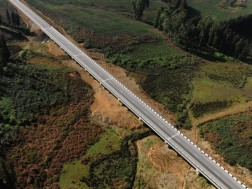
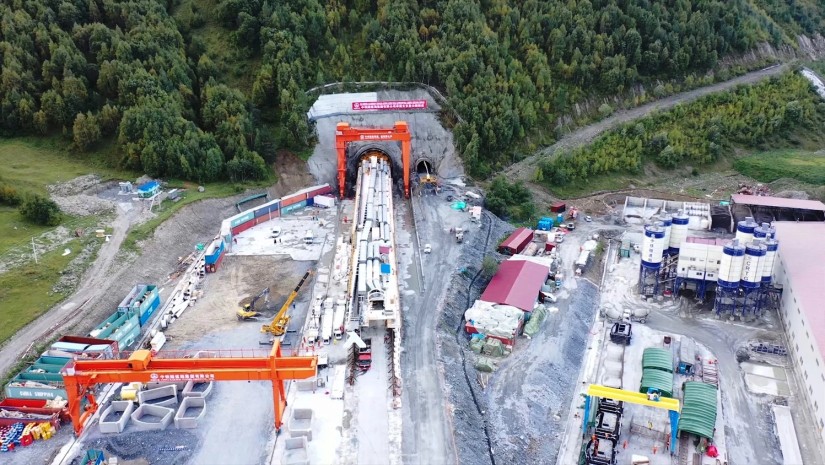
While contractor China Railway 23rd Bureau Group Co. has successfully completed the project's main 9-kilometer tunnel using tunnel boring machines, construction of a 426-meter arch bridge-standing 166 meters high, has emerged as the key challenge threatening project timelines.
The bridge, which Sokhadze characterized as "the most complex engineering structure in Eastern Europe," has faced significant delays due to harsh winter conditions in the mountainous region. The ministry is now exploring whether advanced construction techniques could enable year-round operations.
"We are working with the contractor to use modern technologies so that the work does not stop even in winter," Sokhadze told lawmakers, though he stopped short of committing to a revised timeline pending ongoing negotiations.
To mitigate delays, the government will pursue a phased opening strategy. A 6-kilometer section to Gudauri is slated to open in the first half of 2026, targeting the lucrative ski tourism market and providing relief to local residents. However, full traffic operations to Kobi remain contingent on bridge completion.
Internal works on the evacuation tunnel continue, with that component expected to finish by mid-2026.
The infrastructure project is backed by multilateral lending institutions, with the Asian Development Bank (ADB) providing USD 415 million in financing and the European Bank for Reconstruction and Development (EBRD) contributing USD 60 million. The 23-kilometer highway will feature two lanes of asphalt-concrete roadway, five bridges, and five tunnels.
The delays represent a setback for Georgia's infrastructure modernization efforts and could impact regional connectivity timelines. The highway is a critical artery linking Tbilisi with northern territories and serves as a key transit route along the country's main corridor to Russia.
The project's completion is viewed as essential for year-round reliability in a region where seasonal road closures have historically constrained economic activity and tourism revenues. Stakeholders will be monitoring whether winter construction proves feasible, as further delays could compound cost overruns and extend the project's payback period for international lenders.