

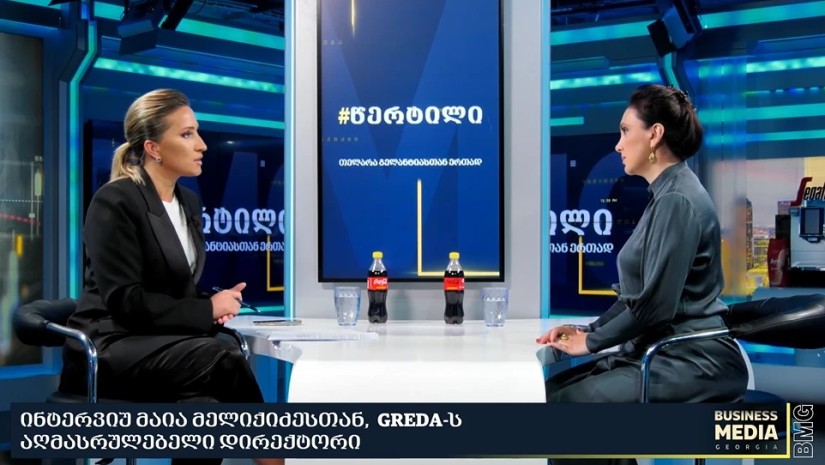

Maia Melikidze, Executive Director of the Georgian Renewable Energy Development Association (GREDA), is once again calling for structural reform in Georgia’s energy sector. In an interview with BMGTV, she emphasized the urgent need for the restoration of the Ministry of Energy or at least the appointment of a dedicated deputy minister to address the growing challenges in the field.
“Let’s put an end to incompetence. We must definitely create a Ministry of Energy if we want to be a self-sufficient country by 2030 and an electricity exporter by 2035,” she said.
Melikidze’s remarks come as the newly appointed Minister of Economy, Mariam Kvrivishvili, has yet to name deputies following her appointment. Since the Ministry of Energy was dissolved in 2017, the energy sector has operated without a clear, dedicated leadership structure, and experts like Melikidze believe this has contributed to stagnation.
“We don’t have problems with energy regulation; we have problems with energy management. Many investors who won auctions and signed memorandums are hindered by bureaucracy. We need someone, whether a deputy or a full ministry, who will be solely responsible for the sector,” she said.
While the first and second CfD (Contract for Difference) auctions were seen as important steps in attracting investment, Melikidze argues that without someone managing the process daily, the potential is being wasted.
“The failure in taking responsibility has led to stagnation, and stagnation in energy means regression, not status quo.”
When asked directly if she prefers a deputy or a new ministry, Melikidze did not hesitate:
“We need a Ministry of Energy. It is physically and logically unthinkable for one person to manage the entire economy. While energy is just one part of the economy, it is its backbone.”
Melikidze stressed the need for an independent, dedicated figure who can manage complex projects like the Black Sea electricity cable, support new generation facilities, reduce red tape for investors, and promote exports.
“A middle link cannot be the leader. That’s the alphabet of management,” she noted.
In addition to leadership issues, Melikidze touched on other pressing problems in the sector, including the two-year postponement of the energy exchange launch, challenges to investment attractiveness, and ongoing bureaucratic hurdles.
Still, she expressed hope that Mariam Kvrivishvili, the newly appointed Minister of Economy, would act decisively to address these concerns.
“We hope that under the leadership of the new minister, these challenges will finally be met with competence and urgency,” Melikidze concluded.