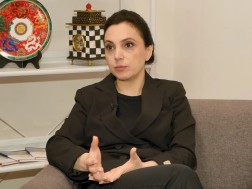


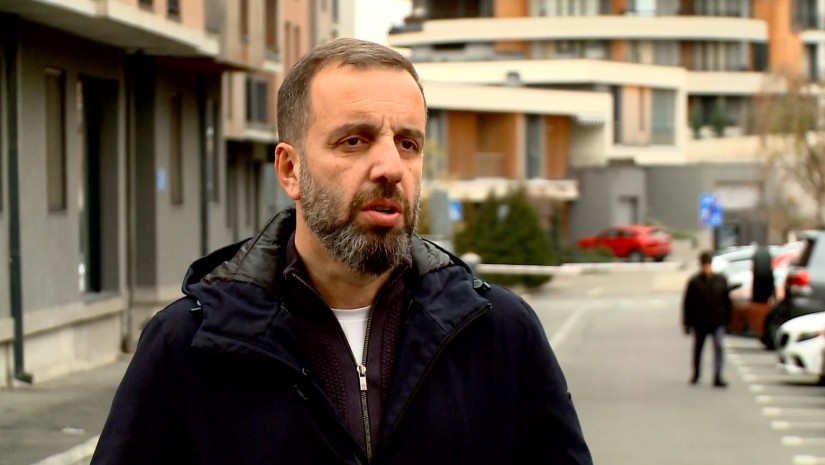

Leaving electricity tariffs unchanged is one of the clearest examples of inconsistency in policy, GREDA Supervisory Board Chairman Giorgi Abramishvili told BMG.
According to him, the market — including distribution companies — expected a tariff adjustment so they could fulfill their planned investment obligations, which involve rehabilitating the outdated electricity network.
“This is part of the inconsistency to which businesses react very sensitively. The primary beneficiaries would have been distribution companies, which must carry out planned investments and meet their obligations. This is quite logical, because our network is in very poor condition, and even a small snowfall causes outages across regions. This requires proper attention and investment. Ultimately, these costs must be reflected in the tariff — there is no other way,” Abramishvili said.
The GREDA chairman also believes that a tariff increase would have signaled to new investors that building new power plants is possible even without long-term government-backed guaranteed purchase agreements such as PPAs or CFDs.
“Ultimately, this would also affect the wholesale price, and for some investors it might gradually become relevant to rely not on a direct long-term contract with the government — a PPA or CFD tariff — but on the wholesale market price itself and invest in building hydro, solar, or wind power plants. For now, this expectation has been paused. We’ll see how things develop,” Abramishvili told BMG.
On December 29, Georgia’s energy regulator GNERC postponed the planned increase in electricity tariffs, meaning that tariffs did not rise on January 1 as previously announced. GNERC cited three reasons for the delay: consultations with the government, requests from energy companies, and an unclear energy balance. It was also revealed after the GNERC meeting that energy companies will need to revise their previously agreed investment obligations to ensure that any future tariff increase is not too painful.