


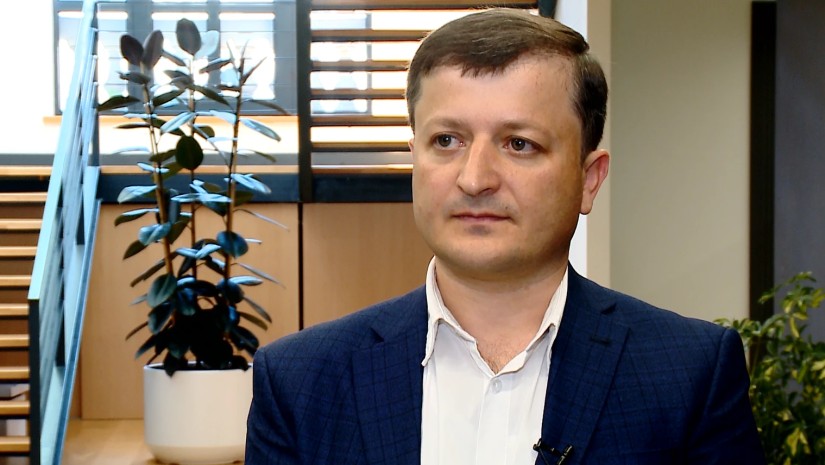

Lasha Kavtaradze, economist at Galt & Taggart, attributes the decline in foreign direct investment (FDI) during the first quarter of the year to debt repayments and a continuing shortage of new equity capital.
“The decrease in investments was mainly due to the repayment of debt obligations,” Kavtaradze stated. “As for equity capital, which represents actual new investments, there was a decline in that as well. However, reinvestments showed strong growth, reaching USD 150 million, which accounts for about 83% of total FDI.”
He also emphasized the seasonal nature of the first quarter and noted that similar patterns were seen last year, with investment figures starting off slow.
“Since the completion of the large BP project in 2018, we’ve seen a noticeable decline in new investments. FDI has remained in the USD 1.1 to USD 1.3 billion range annually since 2019, and it’s primarily reinvestment that keeps it afloat. The emergence of new projects in the country would serve as a key driver for FDI growth,” he added.
According to preliminary data, Georgia received USD 179.4 million in foreign direct investment in Q1 2025 — an 8% decrease year-over-year. Of this: USD 150 million came from reinvestment, making up nearly 84% of total FDI. While equity capital amounted to just USD 62 million, or about 35% of total FDI.
The data highlights the country's growing reliance on reinvestment rather than attracting new foreign capital.