

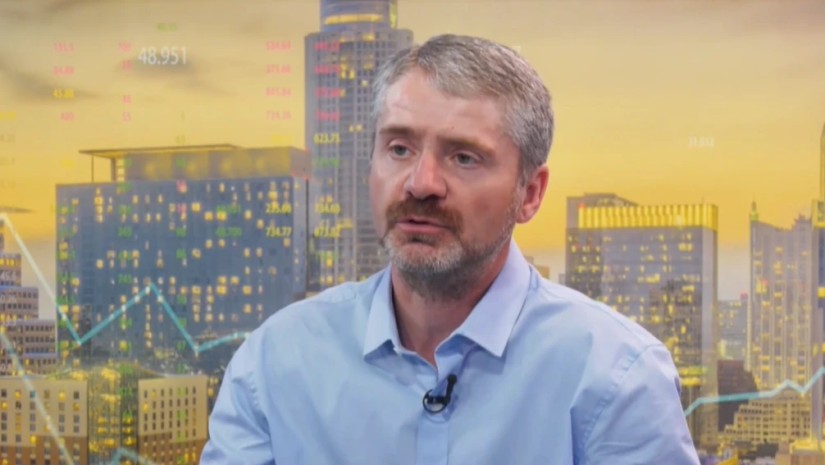

“People’s real experience does not match the country’s high GDP growth because growth is mainly coming from the services sector and external money flows, rather than production,” BMG economist Zaza Broladze told BMG.
According to Broladze, although Georgia has recorded high economic growth for years, it is based on a relatively narrow foundation. Economic activity is concentrated in services, trade in imported goods, gambling and IT. He noted that the IT sector largely employs foreign relocants who use Georgia mainly as an office base to serve other countries, generating limited local added value. At the same time, domestic production, which creates jobs, has not grown significantly for years.
Broladze said the balance of payments makes these trends more visible. In 2025, imports amounted to about $17 billion, compared with roughly $10 billion in exports, leaving a $7 billion deficit, equivalent to nearly 18% of GDP. He added that more than a quarter of exports consisted of used cars, where the added value is relatively low. The deficit is largely offset by tourism, remittances and IT revenues: tourism generated about $4 billion in 2025, remittances totaled around $3.4 billion, while IT provided additional inflows. Of the $1.7 billion in recorded investment, more than $800 million was reinvestment by foreign investors.
“The main conclusion from comparing GDP with the balance of payments is that people’s real situation does not match such high GDP growth,” Broladze said. “Growth is mainly coming from the services sector and external money flows, rather than production. This is why citizens do not feel this growth in their bank accounts or everyday consumption.”